
LIVING LAB N°30
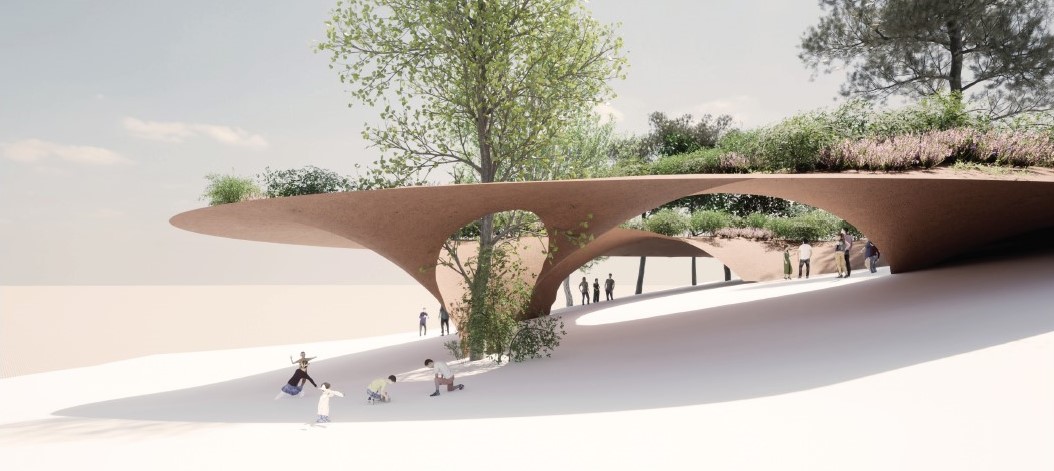
Expo Pavilion, Campus of Mundet, Spain
IDENTITY CARD
Building type:
Location:
Year of construction:
Number of occupants:
Energy consuption:
Products interested in:
Products confirmed:
Quantity:
Pavilion
Campus of Mundet, Uneversity of Barcelona, Spain
2026
-
-
FlexBrick’s PV pergola
FlexBrick’s PV pergola
-
MOTIVATION FOR PRODUCT TESTING
Assessment of integration of PV in an interwoven steel wire mesh pergola on electricity production and indoor environmental quality, complimentary to the results measured within PM&VL1, PM&VL3, PM&VL6 and PM&VL7.
Product description
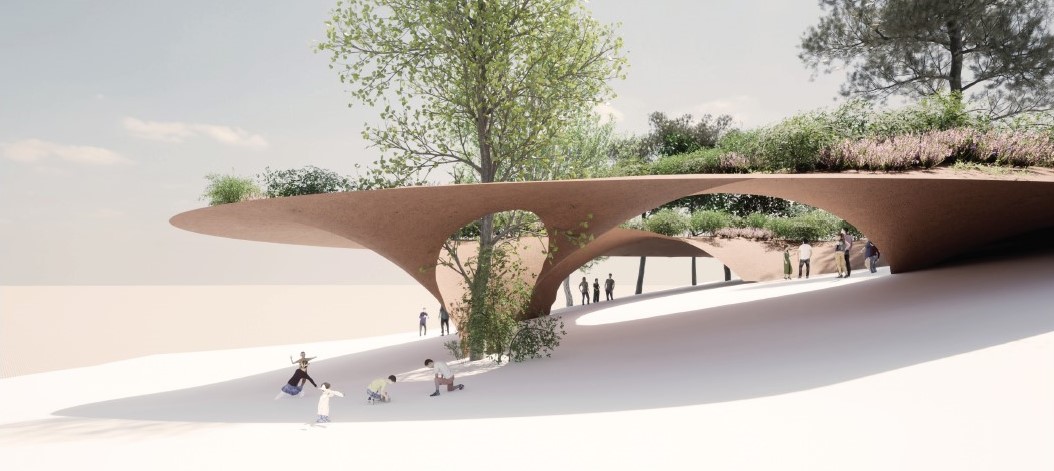
FlexBrick's Flexible facade system is a construction system that acts as a kind of skin, surrounding the most avant-garde buildings and offering them protection as well as a unique character and decorative flair. This system can combine the powerful sensory experience generated by the light that comes through it, created by the most cutting-edge architecture as well as electricity production through its PV modules that are integrated in the tiles.
Building description
Newly build Catala vault membrane of bricks with a roof area of 250 m² and a concrete foundation of 100 m².
Climate
In Barcelona, the summers are short, warm, humid, and mostly clear and the winters are long, cold, and partly cloudy. Over the course of the year, the temperature typically varies from 5 °C to 28 °C and is rarely below 1 ºC or above 31 ºC.
Internal climate
The building itself will be a pavilion creating a shadow/climate refuge protected from the sun by the pergola. Being open spaces, the rest of the parameters are not relevant.
Renovation plan
The pavilion will be newly built in beginning of 2026. FlexBrick’s PV pergola will be installed on the boarders of the pavilion.
Monitoring Plan
Thermal comfort parameters:
IAQ study:
Acoustic study:
Post-occupancy evaluation:
Electricity production:
-
-
-
-
Monitoring of PV modules electricity production
Timeline
Actions
Baseline measurements were not performed since building will be newly built in 2026.
PV pergola installation was done in August 2026.
Monitoring after the installation was ongoing since April 2026.

Gallery
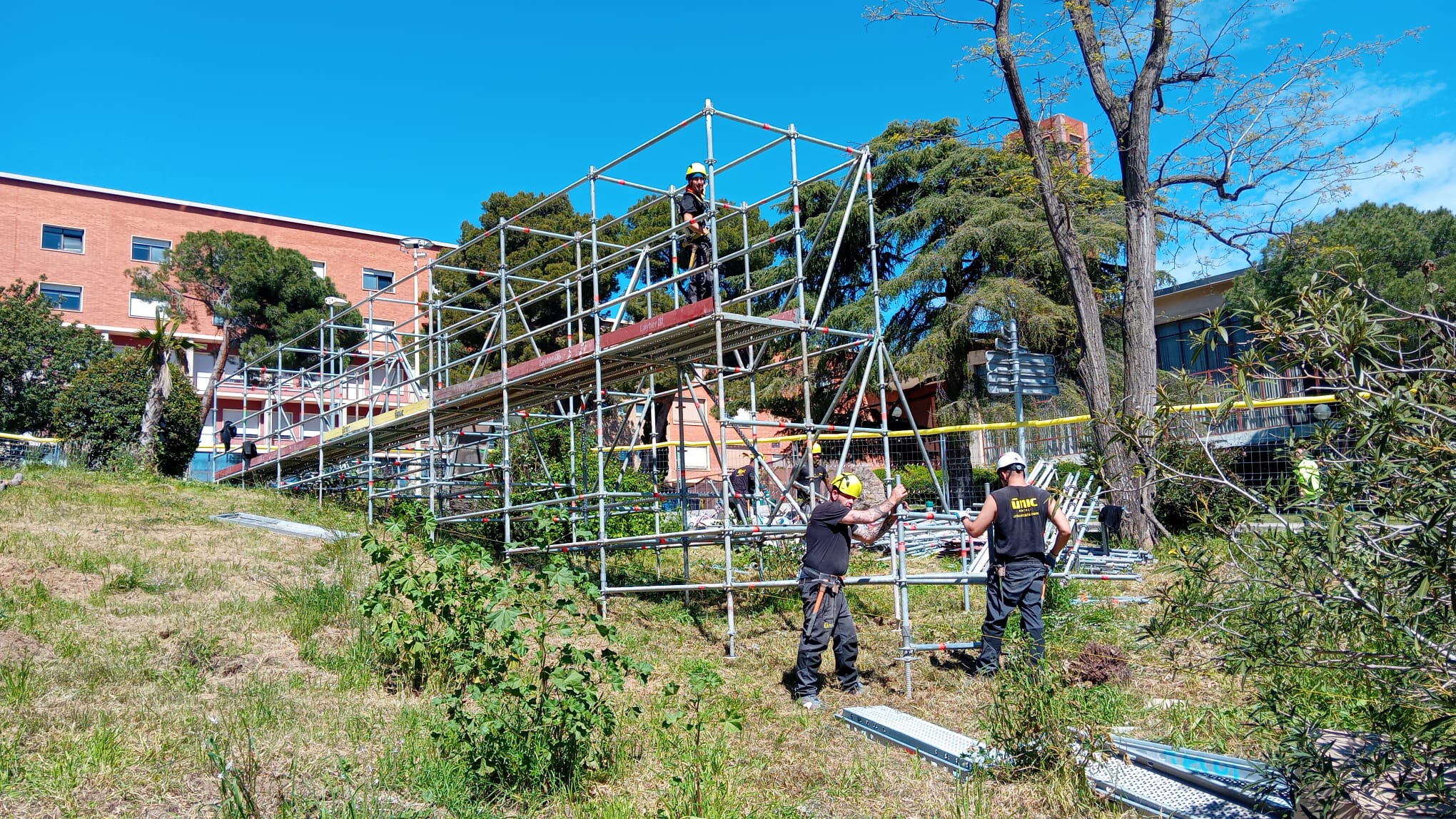
Setting up the scafollding, March 2026
Pergola with PV tiles.
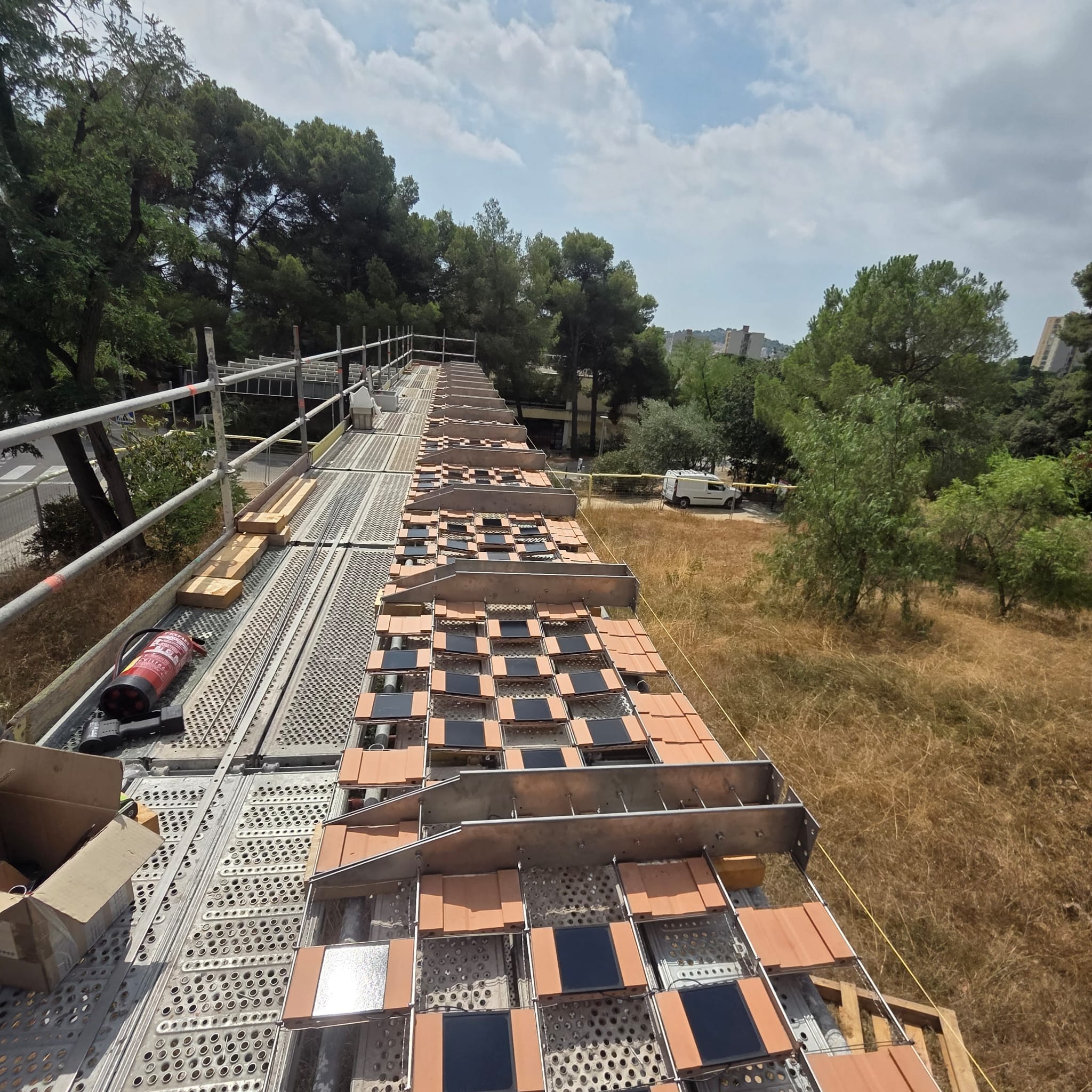
Installation of PV pergola on site, August 2026.
Results
- The records confirm electricity generation by the installed photovoltaic modules but also identify a period of reduced or absent yield during June 2026.
Since the files do not provide a confirmed explanation for these values, the June results should be treated as an operational anomaly requiring comparison with system-status, battery and maintenance information. The later dataset indicates that electricity production subsequently recovered and remained stable through mid-September.
- During the first monitoring window, electricity production was comparatively stable, with an average daily yield of approximately 261 Wh and a cumulative yield of 9.66 kWh.
- Performance decreased considerably during the second window, when the average fell to approximately 108 Wh/day and 14 days reported no yield.
- From late July onward, production recovered and remained relatively consistent, averaging approximately 343 Wh/day and generating 16.80 kWh during the third monitoring window.
- The highest recorded daily yield was 530 Wh on 29 July 2026.
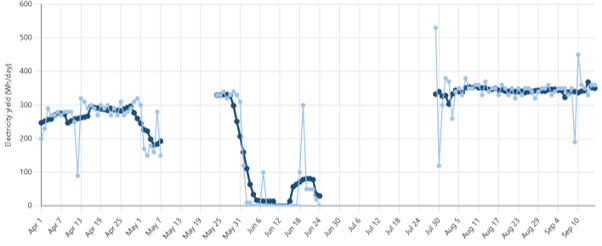
Power production by the LL30 photovoltaic panels